Sri Parakala Matham Guru Parampara
Established by Sri Vedanta Desika in 1359
Sri Lakshmi Hayagriva
Founders & Early Āchāryas
Sri Parakāla Āchāryas
Lineage of Brahmatantra Swatantra Swamis

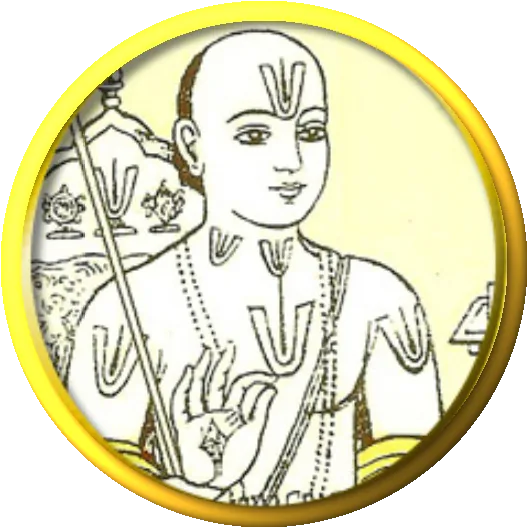
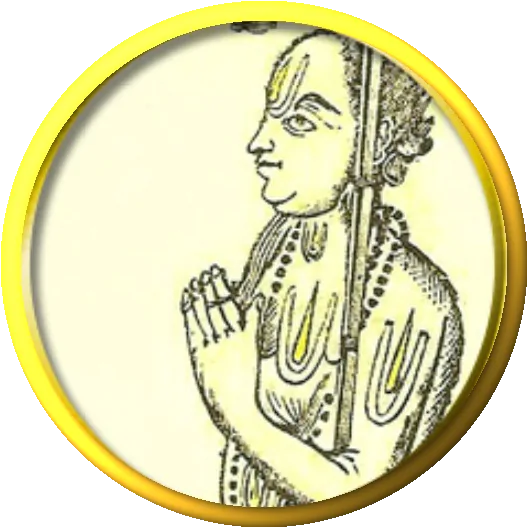
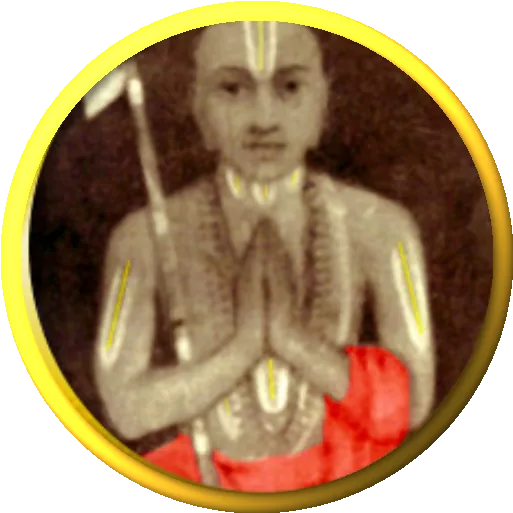
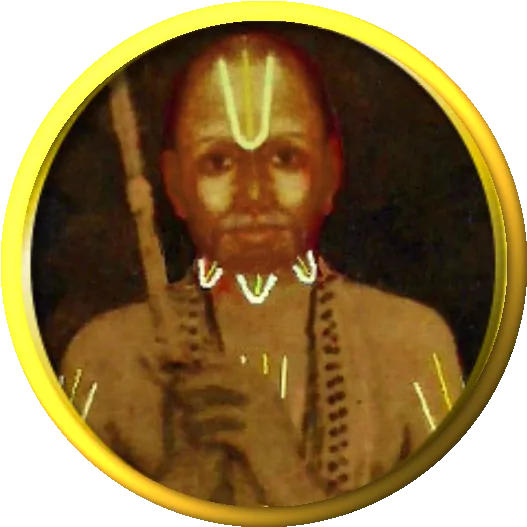


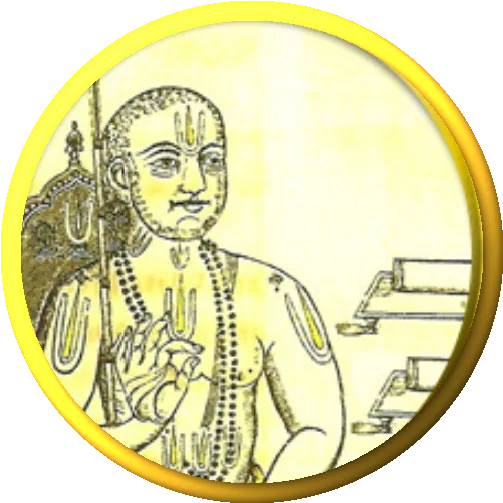

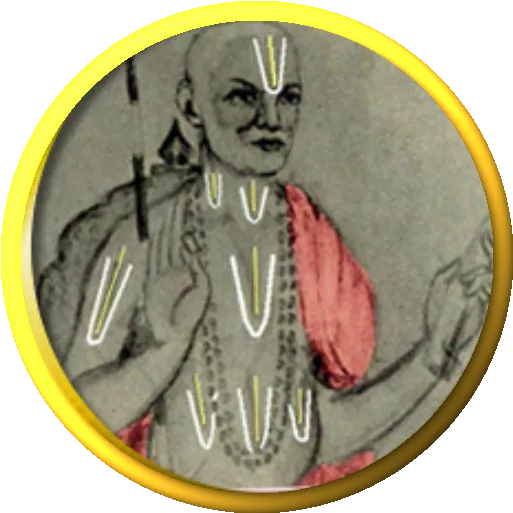

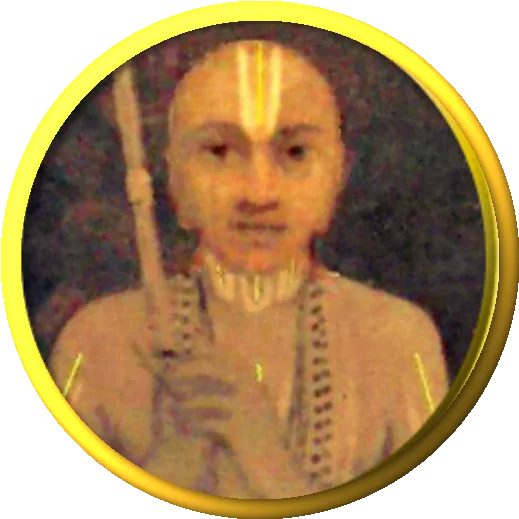
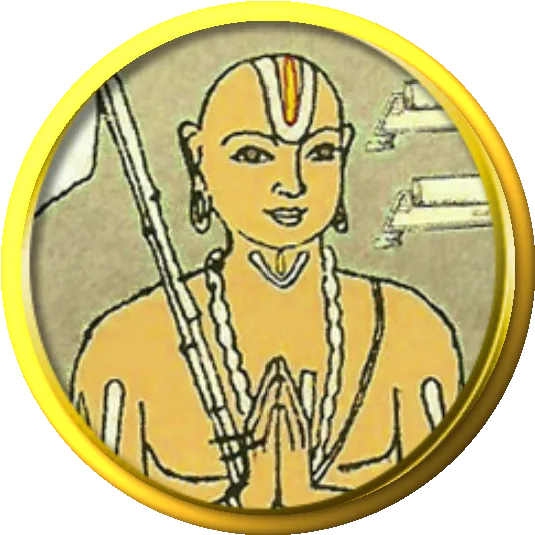
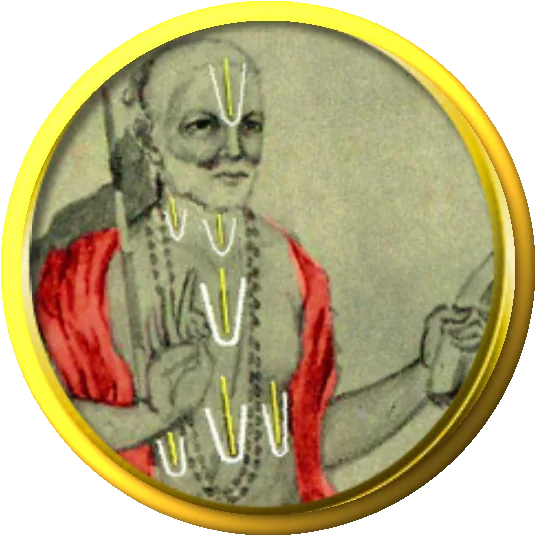


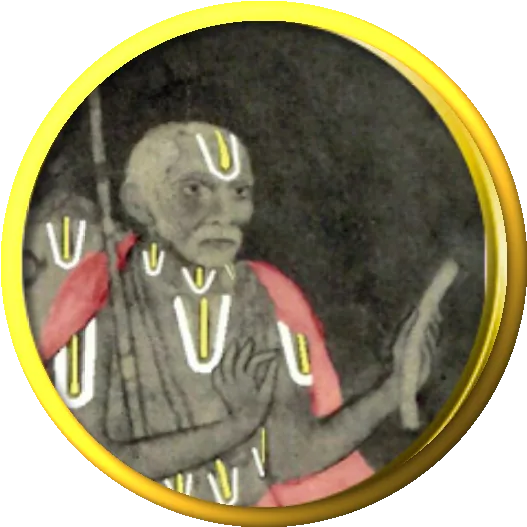


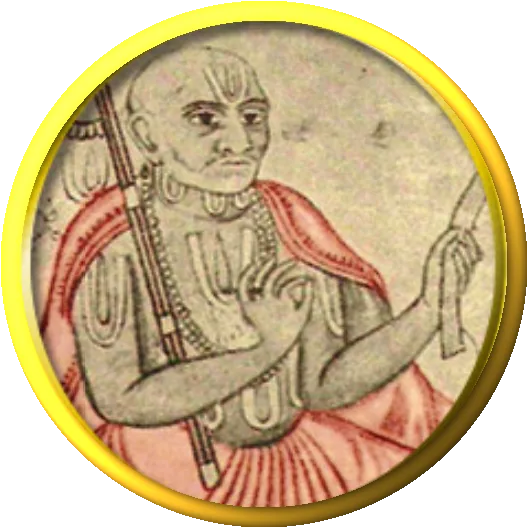


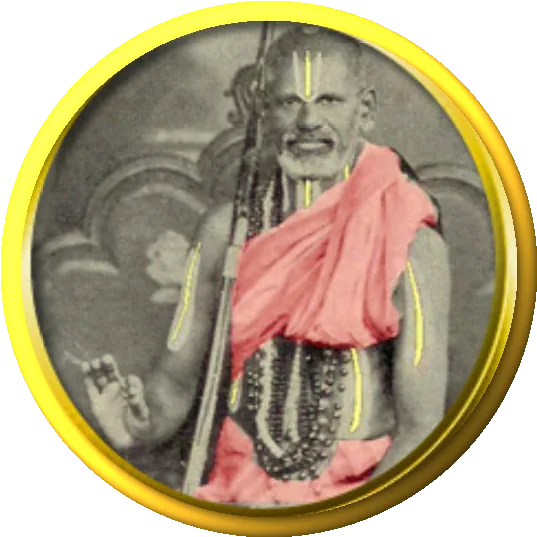


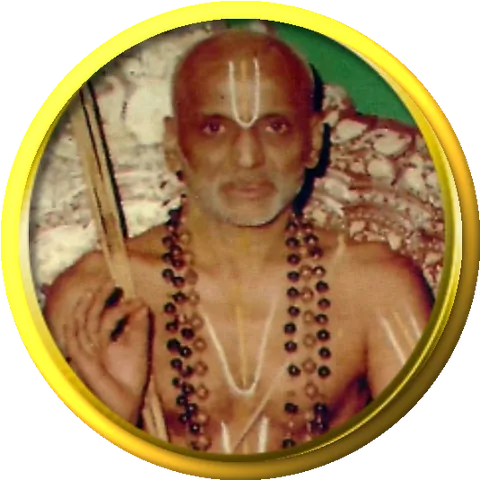
36. Śri Abhinava Vāgeesha Brahmatantra Swatantra Parakāla Swāmi (Current Âchārya)

श्रीमन्नूतन रङ्गनाथयतिराडाप्तात्म विद्यालयम् ।
श्रीमन्नूतन लक्ष्मणार्ययतिराट् संप्राप्त तुर्याश्रमम् ।
श्रीवासेन्द्र कटाक्ष सन्ततसुधा लक्ष्यात्म योगाञ्चितं ।
श्रीमन्नूतन वागधीशयमिनं भक्त्या श्रयामो गुरुम् ।।
नव्य वागीशयोगीन्द्रं हयास्यपदसेविनम् ।
ब्रह्मतन्त्र स्वतन्त्रार्यम् भजाम स्वात्मसंपदम् ।।३६।।
Śrīmannūtana raṅganāthayatirāḍāptātma vidyālayam |
Śrīmannūtana lakṣmaṇāryayatirāṭ samprāpta turyāśramam |
Śrīvāsēndra kaṭākṣa santatasudhā lakṣyātma yōgāñcitaṁ |
Śrīmannūtana vāgadhīśayaminaṁ bhaktyā śrayāmō gurum ||
Navya vāgīśayōgīndraṁ hayāsyapadasēvinam |
Brahmatantra svatantrāryam bhajāma svātmasampadam ||36||
Period of Adorning the Peetam: Ascended the Maha Peetam in the year 1992 C.E.
Tirunakshatram: Mesha, Revathi
Srimad Abhinava Vageesha Brahma Tantra Swatantra Parakala Maha Desikan Swamy, was coronated as the 36th Peethaadhipati in 1992. HH is an eminent Disciple of the Celebrated Srimad Abhinava Ranganatha Brahmatantra Swatantra Parakala Swamy (33rd Pontiff) having mastered all Vishishtadvaitic lore under his guidance. He has mastery over both the Vedantas, and is above all a Mantrasiddha MahApurusha. The nonagenarian Acharyan is still working incessantly to provide moral and spiritual guidance to tens and thousands of his disciples in India and abroad.
For a more detailed account of his life and accomplishments as well as some memorable photographs from the past, please see “Vageesha Priya” the multi- language Souvenir brought out at his Shatabhishekam Celebrations in 2014.
Upanyasam By: Sri U. Ve. A Swachandam Anantarangachar, Topic: Prakruta Sri Parakalaswamy Vaibhava
35. Śri Abhinava Rāmānuja Brahmatantra Swatantra Parakāla Swāmi
नूत्न श्रीरङ्गनाथाजिघ्रमपदकलिजिल्लब्ध चक्राङ्कन श्री:
त्रय्यन्त द्वन्द्व तत्वं तदनघचरणं न्यस्तभारं यतीन्द्रात् ।
प्रत्यग्न श्रीनिवासात् समधिगत तुरीयाश्रमं संश्रयामः
नव्यं रामानुजाख्यं कलिमथनगुरुं ब्रह्मतन्त्रस्वतन्त्रम् ।
श्रीलक्ष्मीहयास्य पादूवरिवस्यै कान्तमानसस्सततम् ।
जयतु श्रीमदभिनवरामानुज संयमीन्द्र परकालः ।।३५।।
nūtna śrīraṅganāthājighramapadakalijillabdha cakrāṅkana śrīḥ
trayyanta dvandva tattvaṁ tadanaghacaraṇaṁ nyastabhāraṁ yatīndrāt
pratyagna śrīnivāsāt samadhigata turīyāśramaṁ saṁśrayāmaḥ
navyaṁ rāmānujākhyaṁ kalimathanaguruṁ brahmatantrasvatantram
śrīlakṣmīhayāsya pādūvarivasyai kāntamānasaḥ satatam
jayatu śrīmadabhinavarāmānuja saṁyamīndraḥ parakālaḥ ।।35।।
Period of Adorning the Peetam: 1972-1992
Tirunakshatram:
34. Śri Abhinava Śrinivasa Brahmatantra Swatantra Parakāla Swāmi
श्रीकृष्णब्रह्मतन्त्राभिधकलिमथनाल्लब्ध चक्राङ्कभाष्यम्
नव्य श्रीरङ्गनाथे कलिमथनगुरावर्पितात्मीय भारम् ।
तद्दीवीक्षालब्ध तुर्यंहयवदनपदत्राणसेवाधुरीणम्
ध्यायेयं ब्रह्मतन्त्रं कलिमथनगुरुं श्रीनिवासं नवीनम् ।।
श्रीमल्लक्ष्मी हयग्रीव पादुका सेवकोवशी ।
जीयान्नव्य श्रीनिवास परकाल गुरूत्तमः ।।३४।।
śrīkṛṣṇabrahmantantrābhidhakalimathanāllabdha cakrāṅkabhāṣyam
navya śrīraṅganāthē kalimathanagurāvarpitātmīya bhāram ।
taddīvīkṣālabdha turyaṁhayavadanapadatrāṇasēvādhurīṇam
dhyāyēyaṁ brahmatantraṁ kalimathanaguruṁ śrīnivāsaṁ navīnam ।।
śrīmallakṣmī hayagrīva pādukā sēvakōvaśī ।
jīyānnavya śrīnivāsa parakāla gurūttamaḥ ।।34।।
Period of Adorning the Peetam: 1967-1972
Tirunakshatram:
33. Śri Abhinava Ranganātha Brahmatantra Swatantra Parakāla Swāmi
श्रीकृष्ण ब्रह्मतन्त्रोत्तमगुरुकरुणाप्तचक्राङ्कभाष्यम्
वैराग्याचारवार्घो वरदपदमुखे लक्ष्मणे न्यस्तभारम् ।
श्रीवागीशात्ततुर्यं शठरिपुयतिराड्वेदचूडार्यमूर्तिम्
नूतनं श्रीरङ्गनाथं कलिरिपुमनघं ब्रह्मतन्त्रं श्रयामः ।
श्री तुरगवदन पादूसन्ततपरिचरणमात्र परमार्थः ।
जयतु श्रीमानभिनवरङ्गेन्द्रब्रह्म तन्त्र परकालः ।।३३।।
Śrīkṣṇabrahmatantrōttamagurukaruṇāvāptacakrānkabhāṣyam
Vairāgyācāravārghō varadapadamukhē lakṣmaṇē n’yastabhāram
Śrīvāgīśāttaturyaṁ śaṭharipuyatirāḍvēdacūdāryamūrtiṁ
Nūtnaṁ śrīran’ganāthaṁ kaliripumanaghaṁ brahmatantraṁ śrayāma:
Śrī turagavadana pādūsantataparicaraṇamātra paramārtha:
Jayatu śrīmānabhinavanraṅgēndrabrahmatantra parakāla: ।।33।।
Period of Adorning the Peetam: 1925-1967
Tirunakshatram: Aashāda, Punarvasu
About Swami:
Born in Thaarana-Parthiva (Aashada Punarvasu 1884) as a result of the prayers of Sri Lakshmi Nrsimha, Sri Ramachandra, Rangacharya, a scion of the family of Hareetha to which Sri Bhagavadh Ramanuja belonged, early moved out to Mysore from his place of birth at the age of seventeen prompted by his unquenchable thirst for the knowledge to crown his knowledge of Shastras which he had already attained at an early age. Sri Krishna Brahmatantra Pakala Swami (31st Jiyar) discerned this legitimate greed for knowledge, and bestowed on him Sri Chakrankanam and Sri Bhasyartham and consigned him to the care of Sri ‘Pandita-ratnam’ Kasthuri Rangacharya Swami, who had already won for himself as great a name in India as his renowned teacher Sri Ranganatha Brahmatantra Parakala Swami (30th Jiyar). Along with the study of Darshanams, Nyaya, Sahithya, Mimamsa, Vaisheshika and Vishishtadvaitha Vedantha, Sri Rangacharya conducted his regular studies of Sahitya, Alankara, Vyakarana.etc.under the respective teachers in Maharaja’s Sanskrit College.
the rishes of the ancient times. On one occasion in Pushya-Makara, during a solar-eclipse in the early hours of the morning, when there was an unparelleled and terrible downpour accompanied by a biting chill, amidst the thousands who gathered on the banks of the Kaveri, in ‘Gauthama Kshethra’, there was this solitary Grihastha with his grihini and the sacred fire in the pot! protecting it with all his resources as a fond motherdoes her baby threatened by a ruffian for its jewels. Such has ever been the unwavering, unflinching appalling earnestness, devotion and detachment of this Acharya to the practice of Dharma.
Having been called upon to fill the position of the Trustee and guardian of Sri Hayagriva Samsthanam, he had naturally been devoting all his energies, all his physical and mental resources to Seva with unflinching resolve like ‘Sri Varada Ramanuja Swami of Sri Rangam and Kanchi’ –from whom as Sri Rangacharya, as a grihastha, received the ‘Bharanyasam’, Srimadh Abhinava Ranganatha Swami had won renown all over the country, as ‘Vairagya-Acharya-Vardhi’, in addition to his being regarded as ‘Jnanaamburashi’, like ‘Sri Maha Parakala Swami'(21st Jiyar), whose seat he had occupied. Like him too, Swami was engaged in the ‘Jeernoddhara’ kainkaryam of Sri Vedantha Deshika Sannidhis in various Divya Deshams and also acquiring centres from where the teachings of Sri Ramanuja may be carried forward, in Thirupathi, in distant Rewah (Rajasthan), Azhwar Thirunagari, Thiruvahindrapurametc.. To facilitate the propaganda of Sri Vedantha Deshikar, he himself started the ‘Vedantha Vihara Sabha’ under the auspices of which annual examinations were conducted on the model of ancient ‘sadas’, prizes awarded and extension lectures delivered in the Mutt.
Removal of some of the disabilities of the ‘Thirukkulattars’, ‘Harijans’, also received the attention of this Great Sage as was exemplified when that stolid of Hinduism, the Late Pandit Sri Madana Mohana Malaviya, approached the Swami on one occasion during his visit to Mysore for the purpose. After a thorough discussion, for two days in succession, it was agreed that ‘Manthra-Deeksha’ was allowed by Shastras to the Harijans with some restrictions and Sri Malaviya went back satisfied with the verdict of Swami. On another Occasion (Dec 1927), when an earnest seeker of truth from Marburg, A European Gentleman, Rudolf Otto, “generally acknowledged as very few theologians of Germany”, sought interview with Swami, the latter readily accorded him the interview and the worker went away supremely enlightened and acknowledged his obligation to the Swami in a book. ‘India’s Religion of Grace and Christianity Compared and Contrasted’ (1930), which he subsequently published.
His Highness Sri Maharaja Marthanda Singhjee of Rewah visited the Mutt, and paid obeisance to the Acharya.It is no exaggeration o say that Srimadh Abhinava Ranganatha Brahmatantra Swatantra Parakala Swami occupied a high position in the spiritual world of South India as his Great Predecessor Sri Maha Parakala Swamy of the 16th Century! The ‘Raja-Guru’ to the ‘Royal Family’ of Mysore, Swami blessed the Wodeyars, Sriman Maharaja Sri Nalvadi Krishnaraja Wodeyar and Sriman Maharaja Sri Jayachamarajendra Wodeyar Bahudur with Sri Vaishnava Dikha and Kalakshepams. Swami attained paramapadam during his age of 82. Swami adorned the Gadi of Sri Brahmatantra Swatantra Parakala Swamy Mutt for 40 years !! (1925-1966 Asthana Nirvaham) with an eternal kainkaryam to Sri Lakshmi Narayana- Sri Lakshmi Hayavadana. Jayathu Sriman Abhinava Rangendra Brahmatantra Parakala: !!!
Swami’s works:
- Hayashiropakhyana
- Tatvamuktakalapa -Commentaries in 3 volumes.
- Gudartha Sangraha His Magnum Opus on Sri Bhashya
- Vedartha Sanjivanam
- Thraiyantha Saramrtham
- Hayavadana Rathnamala Sthothram
- Aupanishad Manihara
- Upanishaddhara
- Ramanuja Matha Darsha
- Paduka Sthuthi
32. Śri Vāgeesha Brahmatantra Swatantra Parakāla Swāmi
शुभगुणनिधिं श्रीकृष्णब्रह्मतन्त्रकलिद्विषद्
गुरुवरकृपादिव्यच्चक्रान्कभाष्यभरार्पणम् ।
तदनघकृपाराजन्मोक्षाश्रमं कलयामहे
वशिनमनघं वागीशब्रह्मतन्त्रकलिद्विषम् ।।३२।।
śubhagunanidhiṁ śrīkṛṣṇabrahmatantrakalidviṣad
guruvarakṛpādivyaccakrāṅkabhāṣyabharārpaṇam ।
tadanaghakṛpārājanmokṣāśramaṁ kalayāmahe
vaśinamanaghaṁ vāgīśabrahmatantrakalidviṣam ।।32।।
Period of Adorning the Peetam: 1914-1925 (C.E.)
Tirunakshatram: –
31. Śri Krishna Brahmatantra Swatantra Parakāla Swāmi
श्रीवासब्रह्मतंत्राभिधकलिमथनावप्त चक्राङ्कभष्यं
श्रीवासे देशिकेन्द्रे कलिमथनगुरावर्पितात्मीयभारम्
रङ्गेन्द्रब्रह्मतन्त्रादिमपदकलिजिद्देशिकेन्द्रात्ततुर्यं
श्रीकृष्णब्रह्मतन्त्राग्रि मपदपरकालार्यवर्यं श्रयाम : ।।३१।।
śrīvāsabrahmatantrābhidhakalimathanāvāpta cakrāṅkabhāṣyaṁ
śrīvāse deśikendre kalimathanagurāvarpitātmīyabhāram
raṅgendrabrahmatantrādimapadakalijiddeśikendrāttaturyam
śrīkṛṣṇabrahmatantrāgri mapadaparakālāryavaryaṁ śrayāmaḥ ।।31।।
Period of Adorning the Peetam: 1885-1914 (C.E.)
Tirunakshatram: Jyeshta, Krishna Panchami, Tiruvona
About Swami:
This Jîyar was born in the Shaka year 1762 (1839 C.E.) by the grace of Śri Śrinivasa Brahmatantra Swatantra Swāmi.
Therefore this child was given the purvāshrama name of Śrinivasa Brahmatantra Swatantra Swāmi- Krishnamacharya.
Ascended the Maha Peetam in the year 1885 C.E.
To the Matam, he brought along with him the Archāvigraha of Lakshmi Nārāyana, which was being worshipped in his familial lineage.
He has composed 67 Śri Granthams.
The Parakāla Guru Vijaya Champu describing the life of the 28th Jîyar is a work that this Swāmi composed in his Purva ashramam.
The achievements of this Jîyar are too numerous to be recounted within the scope of the current work.
Maha Matāshri Śri Maharani Vanivilasam Ammanni (the wife of Chamarajendra Wodeyar) received Bharanyaasam at the feet of this Jîyar.
Her son Śri Krishna Raja Wodeyar the IV received Vaishnava deeksha and Panchasamskāra from this Jîyar
This Jîyar completed 30 Chaturmāsya Sankaplams.
30. Śri Ranganātha Brahmatantra Swatantra Parakāla Swāmi
श्रीघंटांशात्तचक्राङ्ङ्कनमुदितहृदं प्राप्तवेदान्तयुग्म
वेदान्ताचार्यदधीतहितनिगमभरं श्रीनिवसांघ्रियुग्मात् ।
श्रीमच्छ्रीवाससध्धेशिकवरपुरुहूतात्ततुर्याश्रमं
तम् वन्दे श्रीरङ्गनाथं कलिमथनगुरुं ब्रह्मतन्त्राध्यशब्दं ।।
श्रीरामानुजसिद्धान्तस्थापको जयतादयम्।
रङ्गनाथब्रह्मतन्त्र परकालयतीश्वरः ।।३०।।
śrīghaṇṭāṁśāttacakrāṅṅkanamuditahṛdaṁ prāptavedāntayugma
vedāntācāryadadhītahitanigamabharaṁ śrīnivasāṁghriyugmāt ।
śrīmacchrīvāsasadhdheśikavarapuruhūtāttaturyāśramaṁ
tam vande śrīraṅganāthaṁ kalimathanaguruṁ brahmatantrādhyasabdaṁ ।।
śrīrāmānujasiddhāntasthāpakō jayatādayam ।
raṅganāthabrahmatantra parakālayatīśvaraḥ ।।30।।
Period of Adorning the Peetam: 1873-1885 (C.E.)
Tirunakshatram: Vaishāka, Shukla/Poornima, Vishāka
About Swami:
This Jîyar was born along the banks of river Bāhuda, at a village called Vāvillpādu, in Shaka 1735 (1812 C.E.), in the lineage of Vadhula Gotra.
Ascended the Maha Peetam in the year 1873 C.E after obtaining initiation into Sannyāsāshrama from Śri Śrinivasa Desikendra Swāmi.
He composed Śri Rahasya Traya Saara Sangraham in Śloka format, Tapa Chakrānkhana Pramāna Vritti, Sudarshana Vāda, Purusha Sukta Bhāshya and many other works dealing with the concept of Nyāya.
Śri Chamarajendra Wodeyar received Vaishnava deeksha and Panchasamskāra from this Jîyar.
This Jîyar completed 13 Chaturmāsya Sankaplams.
29. Śri Śrinivasa Desikendra Brahmatantra Swatantra Parakāla Swāmi
श्रीमद्धंटावतारोत्तमकलिमथनाल्लब्ध चक्राङ्कभाष्यम्
वेदान्तब्रह्मतन्त्रोत्तमकलिमथनश्रीपदन्यस्तभारम्।
श्रीवासब्रह्मतन्त्रोत्तमकलिमथनोपात्ततत्त्वार्थतुर्यं
वन्दे श्रीब्रह्मतन्त्रं कलिमथन रमावास सद्देशिकेन्द्रम् ।।२९ ।।
śrīmadghaṇṭāvatārōttamakalimathanāllabdha cakrāṅkabhāṣyam
vedāntabrahmatantrōttamakalimathanaśrīpadanyastabhāram ।
śrīvāsabrahmatantrōttamakalimathanōpāttatattvārthaturyam
vande śrībrahmatantraṁ kalimathana ramāvāsa saddeśikendram ।।29।।
Period of Adorning the Peetam: 1861-1873 (C.E.)
Tirunakshatram: Mārgashirsa, Shukla, Asvini
About Swami:
Born along the banks of river Pinākini, in Shaka 1725 (1802 C.E.), in the lineage of the Kidāmbi family of Atreya Gotra.
He was the son of Śri Nrusimharangāchār.
He obtained initiation into Sannyāsāshrama from Śri Śrinivasa Brahmatantra Swatantra Swami in the year 1861 C.E.
Performed Bhagavad Vishayam Upanyasams at various places.
He composed Dhatu Vritti Sangraham, Alankara Sangraham, Sudhi Vilochana Sangraham, Purva Prayoga Sangraham and other works and completed 13 Chaturmāsya Sankaplams residing at the Śri Matams in Tirunārāyanapuram, Mahisurapuram and Śrirangapattanam.
28. Śri Śrinivasa Brahmatantra Swatantra Parakāla Swāmi
श्रीमद्धंटावतारोत्तमकलिमथनावाप्तसत्संप्रदाय
श्रीभाष्यश्रीरहस्यत्रयसृतिमदसीयांन्ध्रि विन्यस्तभारम्।
वेदान्तब्रह्मतन्त्रभिधकलिमथनाल्लब्धतुर्याश्रमं श्री
श्रीवासब्रह्मतन्त्रदिमपदपरकालाख्यमाचार्यमीडे ।।२८।।
śrīmadghaṇṭāvatārōttamakalimathanāvāptasatsaṁpradāya
śrībhāṣyaśrīrahasyatrayasṛtimadasīyāṁndhri vinyastabhāram ।
vedāntabrahmatantrābhidhakalimathanāllabdhaturyāśramaṁ śrī
śrīnivāsabrahmatantradimapadaparakālākhyamācāryamīḍe ।।28।।
Period of Adorning the Peetam: 1836-1861 (C.E.)
Tirunakshatram: Ashāda, Shukla/Poornima, Poorāda
About Swami:
This Jîyar was born in the lineage of the great Tirukkurukai Pirān Pillān, in the Shaka year 1713 (1790 C.E.), with the name Krishnamacharya. Upon the instruction of Śri Ghantāvatāra Swāmi, he obtained initiation intoSannyāsāshrama from VêdāntaBrahmatantra Swatantra Swami in the year 1836 C.E. In the same year, he asended the Śri Peetam. This Jîyar Performed Ubhaya Vêdānta pravachanam at Tirunārāyanapuram and Mahisurapuram for many years. He taught the Gita Bhāshya and Bhagavad Vishayam to Śri Mummadi Krishnaraja Wodeyar. He undertook a victorious tour all over the country establishing the doctrine of Rāmānuja. This is well recorded in the work Parakāla Guru Vijaya Champu. This Jîyar completed 26 Chaturmāsya Sankaplams.
27. Śri Vêdānta Brahmatantra Swatantra Parakāla Swāmi
श्रीमद्रामानुजाधैः कलिरिपुगुरुर्भिवीक्षितं ब्रह्मतन्त्र
श्रीमद्धंटावतारोत्तमकलिमथनांघ्रयब्ज विन्यस्तभारम् ।
श्रतद्द्वीक्षालब्धवेदाञ्चलयुगळतुरीयाश्रमं शान्तिभूमिं
वेदान्तब्रह्मतन्त्राभिधकलिमथनाचार्यवर्य प्रपद्ये ।।२७।।
śrīmadrāmānujādhairḥ kaliripugururbhivīkṣitaṁ brahmatantra
śrīmadghaṇṭāvatārōttamakalimathanāṁghrayabja vinyastabhāram ।
śrataddvīkṣālabdhavedāñcalayugaḷaturīyāśramaṁ śāntibhūmiṁ
vedāntabrahmatantrābhidhakalimathanācāryavarya prapadye ।।27।।
Period of Adorning the Peetam: 1829-1836 (C.E.)
Tirunakshatram: Shrāvana, Shukla, Phālguni
About Swami:
Born in Shaka year 1714 (1791 C.E.) at Nallur along the banks of river Pinākini
This Jîyar was born in the lineage of the great Tirukkurukai Pirān Pillān, as the son of Śri Śrinivasācharya. He was named Rāghavāchariar. He ascended the Maha Peetam after accepting Sannyāsāshrama in the year 1829 C.E. when Śri Ghantāvatāra Swāmi took to brief illness. He completed 7 Chaturmāsya Sankaplams residing at Tirunārāyanapuram and Mahisurapuram. He ascended to the supreme realm even while Śri Ghantāvatāra Swāmi was adorning the Śri Peetam.
26. Śri Ghantāvatāra Brahmatantra Swatantra Parakāla Swami
रामानुजादिपरकालयतीन्द्रलब्ध ।
वेदान्तयुग्मचरमाश्रमसंप्रदायम्।
श्रीशिङ्गरार्यगुरुवीक्षितमात्मवन्तं ।
घण्टावतारपरकालगुरुं श्रयामः ।।
वेदान्तदेशिकेन्द्रस्य सिधान्तस्थापनोत्सुकः।
जयतु श्रीशघंतशं परकालगुरूत्तमः ।।२६।।
rāmānujādiparakālayatīndralabdha ।
vedāntayugmacaramāśramasaṁpradāyam ।
śrīśiṅgarāryaguruvīkṣitamātmavantaṁ ।
ghaṇṭāvatāraparakālaguruṁ śrayāmaḥ ।।
vedāntadeśikendrasya sidhāntasthāpanōtsukaḥ ।
jayatu śrīśaghaṁtaśaṁ parakālagurūttamaḥ ।।26।।
Period of Adorning the Peetam: 1810-1837 (C.E.)
Tirunakshatram: –
About Swami:
Born at Nallur, along the banks of river Pinākini, in Shaka 1679 (1756 C.E.), in the lineage of the famed Śrivathsa Gotra- this Jîyar was named as Krishnamacharya. He was initiated into Sannyāsāshrama by Śri Rāmānuja Brahmatantra Swatantra Swami in the year 1810 C.E.; and ascended the Śri Peetam of the Matam in the same year. In virtue, this Jîyar was like the re-incarnation of Vêdānta Deśika, hence the title ‘Ghantāvatāra’ was bestowed upon him.
Śri Matam moved to Tirunārāyanapuram. Swāmi undertook a Divya Desha Yatra establishing the glory of the Śri Matam throughout the southern kingdoms, and then resided in Tirunārāyanapuram for many years. Under his leadership Thooppul, Tirumala, Śrirangapattanam, Tirunārāyanapuram and Mahisurapuram become important branches of the Śri Matam.
25. Śri Rāmānuja Brahmatantra Swatantra Parakāla Swāmi
वन्देय श्रीनिलयपरकालात्तवेदान्तयुग्मं
तत्पादाब्जे विनिहितभरं ब्रह्मतन्त्रात्ततुर्यम् ।
श्रीकृष्णार्यादधिगतरथांगाब्जमब्जाक्षह्द्यं
श्रीमद्रामावरजपरकालाभिधं देशिकेन्द्रम्।।२५।।
vandeya śrīnilayaparakālāttavedāntayugmaṁ
tatpādābjē vinihitabharaṁ brahmatantrāttaturyam ।
śrīkṛṣṇāryādadhigatarathāṅgābjambjākṣahṛdyaṁ
śrīmadrāmāvarajaparakālābhidhaṁ deśikendram ।।25।।
Period of Adorning the Peetam: 1772-1810 (C.E.)
Tirunakshatram: Mesha, Rohini
About Swami:
Born in the village of Bagepalli, Shaka year 1632 (1709 C.E.), in the famed Koundinya Gotra, as the son of Tirumalācharya, this Jîyar obtained Panchasamskāra and Matropadesha from Śri Tirumalai Krishnamācharya, a direct disciple of Śri Periya ParakālaSwāmi. He remained a Brahmacharin for the first 24 years of his life and then directly entered Sannyāsāshrama by the grace of Śri ŚrinivasaBrahmatantra Swatantra Swāmi. He ascended to the Maha Peetam of the Śri Matam after 38 Chaturmāsya Sankaplams at the age of 62 years.
Maha Matrashree Lakshmammani, the Maharani of the Mysore kingdom, received Vaishnava deeksha and Panchasamskāra from this Jîyar. Śri Matam had to be shifted to Tirupathi for a brief period due to the wars. After the fall of Śrirangapattanam in 1799 C.E., this Jîyar returned to crown the very young Śri Mummadi Krishnaraja Wodeyar as the Maharaja of Mahisurapura (Mysore). This Jîyar advised Diwan Purnaiah to build the temple of Swami Sveta Varaha at Mysore. This location was to become the future capital of the Mysore kingdom. He adorned the Śri Peetam to complete another 39 Chaturmāsya Sankaplams. He lived for 102 years!
24. Śri Abhinava Śrinivasa Brahmatantra Swatantra Parakāla Swāmi
पद्मानिवासपरकालयतीन्द्रलब्ध सारार्थवेदशिखरादिमसंप्रदायम् ।
तत्पाददत्तभरमुत्तमचित्तवृत्तिं श्रीश्रीनिवासपरकालगुरुं श्रयामः।।२४।।
padmānivāsaparakālayatīndralabdha sārārthavedaśikharādimasaṁpradāyam ।
tatpādadattabharamuttamacittavṛttiṁ śrīśrīnivāsaparakālaguruṁ śrayāmaḥ ।।24।।
Period of Adorning the Peetam: 1770-1772 (C.E.)
Tirunakshatram: –
About Swami:
Born at TiruNārāyana puram in Shaka 1627
Accepted Sannyāsāshrama from Vêdānta Brahmatantra Swatantra Swami in the year Shaka 1693 (1770 C.Ε.)
23. Śri Vêdānta Brahmatantra Swatantra Parakāla Swāmi
पद्मावासकलिद्विषन्मुनिवर श्रीपादसेवार्जित
श्रुत्यन्तद्वय सारसारथिवचस्तात्पर्यतुर्याश्रमम् ।
श्रीमद्वेदवतंसयुग्मविशदीकारैकबद्धस्पृहम्
श्रीवेदान्तकलिद्विषं मुनिवरं सेवे शामांभोनिधिम् ।।२३।।
padmāvāsakalidviṣanmunivara śrīpādasēvārjita
śrutyantadvaya sārasārathivacastātparyaturyāśramam ।
śrīmadvēdavatansayugmaviśadīkāraikabaddhaspṛham
śrīvēdāntakalidviṣaṁ munivaraṁ sēvē śāmāṁbhōnidhim ।।23।।
Period of Adorning the Peetam: 1751-1770 (C.E.)
Tirunakshatram: –
About Swami:
This Jîyar Born along the banks of river Jayamangala, in Honavanapalli, Shaka year 1635 (1712 C.E.), in the lineage of
Kaushika Gotra. He accepted Sannyāsāshrama from Śri Śrinivasa Brahmatantra Swatantra Parakāla Swāmi. He completed twenty Chaturmāsya Sankalpams
22. Śri Śrinivasa Brahmatantra Swatantra Parakāla Swāmi
श्रीमच्छ्रीपरकालसंयमिवरादात्तापवर्गाश्रम
श्रुत्यन्तद्वयसारसारथिवचो भाष्यार्थसम्यग्धियम्।
श्रीमत्तातगुरौ समर्पितभरं तत्पादपद्माश्रयं
श्रीवासं परकालयोगितिलकं दान्तं श्रयामोन्वहम् ।।
ज्ञानाम्बुराशिपरकालगुरोरवाप्त
वेदान्तयुग्मचरमाश्रमसंप्रदायं ।
श्रीतातदेशिकपदार्पितनैजभारं
श्री श्रीनिवासपरकालगुरुं श्रयामः ।।२२।।
śrīmacchrīparakālasaṁyamivarādāttāpavargāśrama
śrutyantadvayasārasārathivaco bhāṣyārthasamyagdhiyam ।
śrīmattātagurau samarpitabharaṁ tatpādapadmāśrayaṁ
śrīvāsaṁ parakālayōgitilakaṁ dāntaṁ śrayāmōnvaham ।।
jñānāmburāśiparakālagurōravāpta
vedāntayugmacaramāśramasaṁpradāyaṁ ।
śrītātadeśikapadārpitapaijabhāraṁ
śrī śrīnivāsaparakālaguruṁ śrayāmaḥ ।।22।।
Period of Adorning the Peetam: 1738-1751 (C.E.)
Tirunakshatram: –
About Swami:
This Jîyar accepted Sannyāsāshrama in the year Shaka 1661 (1738 C.Ε.) He composed works such as Lakshmyopāyatva Deepa, Nyāsa Prakāshika, Nyāsa Prakāshika Vivrithi, Parakāla Mangalam, Parakāla Vaibhava Prakāshika Stotram and many others.
21. Śri Periya Parakāla ‘Dodda Parakāla’ Brahmatantra Swatantra Swāmi
विन्यस्तात्मभरं वरप्रदगुरौ तद्देशिकैर्वीक्षितं
श्रीवेदान्तयतीन्द्रभूरिकृपया संप्राप्तमोक्षाश्रमम्।
सारार्थामृतलाभवन्तमनघाच्छ्री श्रीनिवासाद्गुरोः
वन्दे श्रीपरकालयोगिनमहं वेदान्तविद्यागुरुम् ।।२१।।
vinyastātmabharaṁ varapradagurau taddēśikairvīkṣitaṁ
śrīvēdāntayatīndrabhūrikṛpayā samprāptamokṣāśramam।
sārārthāmṛtalābhavantamanaghācchrī śrīnivāsādgurōḥ
vande śrīparakālayōginamahaṁ vedāntavidyāgurum ।।21।।
Period of Adorning the Peetam: 1677-1738(C.E.)
Tirunakshatram: Vaishāka, Shukla, Tiruvādirai
About Swami:
This Jîyar was born as the son of Sri Srinivasa Mahadeśika, in the year Shaka 1578 (1655 C.E.), at Arakalgud village along the banks of river Hemāvathi in Karnātaka. He accepted Sannyāsāshrama from his own father (who was now Vêdānta Yogindra Brahmatantra Swatantra Swāmi) in the year Shaka 1600 (1677 C.E.). He composed numerous works, including Nālāyira Divya Prabandham Vyākhyānam, Deśika Prabandha Vyākhyānam, Yati Prativandana Khandanam, Âchārya Avatāra Ghattartha, Parakāla Sthāna Paddhati, Mita Prakāshika, Sāra Sangraha and many others Śri Dodda Krishna Raja Wodeyar received Vaishnava Deeksha and Pancha Samskārās from this Jîyar. Śri Matam moves from Tirumala to Śrirangapattanam, Mysore. This Swāmi completed sixty Chaturmāsya Sankalpams. Establishing the authority of the Grantha Śri Rahasya Traya Sāra, this Swāmi showed the efficacy of Artha Prapatti!
20. Śri Varada Vêdānta Yogindra Brahmatantra Swatantra Swāmi
श्रीमद्वराहमुनिवीक्षित लब्धबोधं ।
श्रीतातयार्यकरुणापरिणाहपात्रम् ।
वेदान्तलक्ष्मणमुनीन्द्रपदाब्जभृंगं ।
वन्दे सदा वरदवेदशिरोयतीन्द्रम् ।।
वेदान्तदेशिक श्रेष्ठसिद्धन्तोद्धारधूर्वहम् ।
वेदान्तसंयमीशानं श्रयेमकरुणानिधिम् ।।२०।।
śrīmadvarāhamunivīkṣita labdhabodham ।
śrītātayāryakaruṇāpariṇāhapātram ।
vedāntalakṣmaṇamunīndrapadābjabhṛṅgaṁ ।
vande sadā varadavedaśirōyatīndram ।।
vedāntadeśikaśreṣṭhasiddhāntoddhāradhūrvaham ।
vedāntasaṁyamīśānaṁ śrayemakaruṇānidhim ।।20।।
Period of Adorning the Peetam: 1673-1677(C.E.)
Tirunakshatram: –
19. Śri Vêdānta Lakshmana Brahmatantra Swatantra Swāmi
वराहब्रह्मतंत्रश्रीकृष्णपास्पदमुपास्महे ।
वेदान्तलक्ष्मणाभिख्य ब्रह्मतंत्रमहागुरुम् ।।१९।।
varāhabrahmatantraśrīkṛṣṇāspadamupāsmahe ।
vedāntalakṣmaṇābhikhya brahmatantramahāgurum ।।19।।
Period of Adorning the Peetam: 1663-1673(C.E.)
Tirunakshatram: –
18. Śri Varāha Brahmatantra Swatantra Swāmi
श्रीमद्वरदवेदान्त संयमीन्द्र पदाश्रयम् ।
श्रीवराहब्रह्मतंत्रस्वतंत्र गुरुमाश्रये ।।१८।।
śrīmadvaradavedānta saṁyamīndra padāśrayam ।
śrīvarāhabrahmatantrasvatantra gurumāśraye ।।18।।
Period of Adorning the Peetam: 1652-1663(C.E.)
Tirunakshatram: –
About Swami:
Chikka Devarāja Wodeyar Maharaja received Panchasamskāra from this Jîyar.
17. Śri Varada Vêdānta Brahmatantra Swatantra Swami
वीरराघवयोगीन्द्र विशेषकरुणेक्षितम् ।
नमामिमूर्धा वरदवेदान्तमुनिपुङ्गवम् ।।१७।।
vīrarāghavayōgīndra viśeṣakaruṇēkṣitam ।
namāmimūrdhnā varadavedāntamunipuṅgavam ।।17।।
Period of Adorning the Peetam: 1640-1652(C.E.)
Tirunakshatram: –
16. Śri Veeraraghava Brahmatantra Swatantra Swāmi
ज्ञानाम्बुधिब्रह्मतंत्र परकालमहागुरोः ।
अवाप्ततुर्यं वन्देऽहं वीरराघवयोगिनम् ।।१६।।
jñānāmbudhibrahmatantra parakālamahāguroḥ ।
avāptaturyaṁ vande’haṁ vīrarāghavayōginam ।।16।।
Period of Adorning the Peetam: 1618-1640(C.E.)
Tirunakshatram: –
15. Śri Jnanābdhi Brahmatantra Swatantra Swāmi
वेदान्तयतिवर्याप्त वेदान्तयुगळाशयं ।
ज्ञानाब्धिब्रह्मतंत्र श्रीपरकालगुरुं भजे ।।१५।।
vedantayativaryāpta vedantayugaḷāśayaṁ ।
jñānābdhibrahmatantra śrīparakālaguruṁ bhaje ।।15।।
Period of Adorning the Peetam: 1607-1618 (C.E.)
Tirunakshatram: –
About Swami:
This Jîyar composed the work Vijayindra Parājaya Swāmi Ranga Rāmānuja Muni received the Sannyāsāshrama from this Jîyar. Swāmi Ranga Rāmānuja Muni went on to compose numerous works, including Bhāva Prakāshika, Dashopanishad Bhāshyam, Vishayavākya Deepika, Rāmānuja Siddhānta Sāra Sangraham, Nyāya Siddhānjana Vyākhyānam, Bhagavad Vishaya Bhāshyam 9000 Padi and such others.
Śri Vātsya Ahobilāchāryar Swāmi received the Panchasamskāra and Mantārtha Rahasyas from this Jîyar. By the grace of this Jîyar, he composed the Nālāyira Taniyan Vyākhyāna Sangraham and other works. Raja Wodeyar received Panchasamskāra from this Jîyar The doctrine of Rāmānuja is re-established in Karnāta Desha.
14. Śri Vêdānta Yativarya Brahmatantra Swatantra Swāmi
कविताकिर्कसिंहाख्य यतिवर्यकृपावशात् ।
विव्रद्धसंपदं वन्दे वेदान्तयतिशेखरम् ।।१४।।
kavitākirkasiṁhākhya yativaryakṛpāvaśāt ।
vivraddhasaṁpadaṁ vande vedāntayatiśekharam ।।14।।
Period of Adorning the Peetam: 1583-1607 (C.E.)
Tirunakshatram: –
13. Śri Kavitaarkika Simha Brahmatantra Swatantra Swāmi
पराङ्कुशयतीशांघ्रि कृपात्तचरमाश्रमे ।
कविताकिर्कसिंहेऽस्तु यतीन्द्रे मे नमश्शतम् ।।१३।।
parāṅkuśayatīśāṅghri kṛpāttacaramāśrame ।
kavitākirkasiṁhe’stu yatīndre me namaśśatam ।।13।।
Period of Adorning the Peetam: 1552-1567 (C.E.)
Tirunakshatram: –
12. Śri Parānkusha Brahmatantra Swatantra Swāmi
भजामहे वरदयतीन्द्र सत्कृपा समेधितं सकलमहागुणांबुधिम् ।
वदावदद्विरदचमूपराङ्कुशं पराङ्कुशं यतितिलकं निरङ्कुशम् ।।१२।।
bhajāmahe varadayatīndra satkṛpā samedhitaṁ sakalamahāguṇāṁbudhim ।
vadāvadadviradacamūparāṅkuśaṁ parāṅkuśaṁ yatitilakaṁ niraṅkuśam ।।12।।
Period of Adorning the Peetam: 1552-1567 (C.E.)
Tirunakshatram: –
11. Śri Varada Brahmatantra Swatantra Swāmi
यतिराजयतिन्द्राङ्घ्रि समाश्रय समेधितं।
वरदब्रह्मतंत्रार्यं वरदं संश्रयामहे ।।११।।
yatirājayatīndrāṅghri samedhitaṁ ।
varadabrahmatantrāryaṁ varadaṁ saṁśrayāmahe ।।11।।
Period of Adorning the Peetam: 1535-1552 (C.E.)
Tirunakshatram: –
10. Śri Yatirāja Brahmatantra Swatantra Swāmi
श्रीब्रह्मतंत्रपादाब्ज संश्रयावाप्तसंपदम् ।
यतीराजं भजाम श्रीयतिराजाह्वयंगुरुम् ।।१०।।
śrībrahmatantrapādābja saṁśrayāvāptasampadam ।
yatīrājaṁ bhajāma śrīyatirājāhvayaṅgurum ।।10।।
Period of Adorning the Peetam: 1517-1535 (C.E.)
Tirunakshatram: –
9. Śri Brahmatantra Swatantra Maha Deśikan
रन्गराजयतिवर्य वीक्षितं तत्कृपात्त निगमांचलद्वयम् ।
तत्पदार्पितभरं दयानिधिं ब्रह्मतंत्रयतिवर्यमाश्रये ।।९।।
raṅgarājayativarya vīkṣitaṁ tatkṛpātta nigamāñcaladvayam ।
tatpadārpitabharaṁ dayānidhiṁ brahmatantrayativaryamāśraye ।।9।।
Period of Adorning the Peetam: 1498-1517 (C.E.)
Tirunakshatram: –
8. Śri Rangaraja Brahmatantra Swatantra Swāmi
नारायणाख्य मुनिवर्य कृपाकटाक्ष वीक्षावशात्तचरमाश्रमतत्वसारम् ।
तद्दिव्यपाद सरसीरुह दत्तभारं श्रीरङ्गराजयतिरजमुपासिषीय।।८।।
nārāyaṇākhya munivarya kṛpākaṭākṣa vīkṣāvaśāttacaramāśramatatvasāram ।
taddivyapāda sarasīruha dattabhāraṁ śrīraṅgarājayatirajamupāsiṣīya ।।8।।
Period of Adorning the Peetam: 1482-1498 (C.E.)
Tirunakshatram: –
7. Śri Nārāyana Brahmatantra Swatantra Swāmi
श्रीनिवासब्रह्मतंत्रकृपासारपरिप्लुतम् ।
श्रीनारायणयोगिन्द्रं ब्रह्मतंत्रगुरुं भजे ।।७।।
śrīnivāsabrahmatantrakṛpāsārapariplutam ।
śrīnārāyaṇayōgindraṁ brahmatantraguruṁ bhaje ।।7।।
Period of Adorning the Peetam: 1460-1482 (C.E.)
Tirunakshatram: –
6. Śri Śrinivasa Brahmatantra Swatantra Swāmi
वेदान्तलक्ष्मणमुनीश्वर पादपद्म
युग्माश्रयं सकलसद्गुणवारिराशिम्।
तत्प्राप्ततुर्यमनघं कमलानिवास
श्रीब्रह्मतंत्रगुरुवर्यमहं प्रपद्ये ।।६।।
vedāntalakṣmaṇamunīśvara pādapadma
yugmāśrayaṁ sakalasadguṇavārirāśim।
tatprāptaturyamanaghaṁ kamalānivāsa
śrībrahmatantraguruvaryamahaṁ prapadye ।।6।।
Period of Adorning the Peetam: 1440-1460 (C.E.)
Tirunakshatram: –
5. Śri Vêdānta Rāmānuja Brahmatantra Swatantra Swāmi
श्रयामहे श्रीपरकालमौनिपदाश्रयं तत्कृपाया आत्ततुर्यम् ।
वेदान्तविद्यानिलयं महान्तं वेदान्तरामानुजसंयमीन्द्रम् ।।५।।
śrayāmahe śrīparakālamaunipadāśrayaṁ tatkṛpāyā āttaturyam ।
vedāntavidyānilayaṁ mahāntaṁ vedāntarāmānujasaṁyamīndram ।।5।।
Period of Adorning the Peetam: 1424-1440 (C.E.)
Tirunakshatram: –
4. Śri Parakāla Brahmatantra Swatantra Swami
ब्रह्मतंत्ररमावास गुरुवीक्षितमुत्तमम् ।
परकालगुरुं वन्दे चिरकालं दयानिधिम् ।।४।।
brahmatantraramāvāsa guruvīkṣitamuttamam ।
parakālaguruṁ vande cirakālaṁ dayānidhim ।।4।।
Period of Adorning the Peetam: 1406-1424 (C.E.)
Tirunakshatram: –
3. Śri Śrinivasa Triteeya Brahmatantra Swatantra Swāmi
श्रयामो वात्स्यवेदान्तरामानुजकृपासंपदम्
ब्रह्मतंत्रस्वतंत्रश्री श्रीनिवासगुरूत्तमम् ।।३।
śrayāmo vātsyavedāntarāmānujakṛpāsampadam
brahmatantrasvatantraśrī śrīnivāsagurūttamam ।।3।
Period of Adorning the Peetam: 1394-1406 (C.E.)
Tirunakshatram: –
About Swami:
This Swami composed the 3,000 or Muvāyirappadi Guruparampara Prabhāvam and other works. Both the Śri Matam branches at Tirumala and Thooppul, remain as important centers of activity. The Wodeyars of Mahisurapura continue to serve the Śri Matam through their association with its branch at Tirumala.
2. Śri Vātsya Vêdānta Rāmānuja ‘Perarulāla Aiyan Appai’ Dviteeya Brahmatantra Swatantra Swāmi
ब्रह्मतंत्रकृपावप्त ज्ञानयाथात्म्यस्पदम् ।
नमामि वात्स्यवेदान्तरामानुजमुनीश्वरम् ।।२।।
brahmatantrakṛpāvapta jñānayāthātmyaspadam ।
namāmi vātsyavedāntarāmānujamunīśvaram ।।2।।
Period of Adorning the Peetam: 1386-1394 (C.E.)
Tirunakshatram: –
About Swami:
This Jîyar composed the 12,000 verses of Pannirāyirappadi Guruparampara Prabhāvam and other works. He was Śrikārya Dhurandhara of Tirumala Periya Perumāl Koil. Yaduraaya Maharaja received Panchasamskāra from this Jîyar.
1. Śri Perarulāla Jîyar Brahmatantra Swatantra Swāmi
पर्याय भाष्यकराय प्रणतार्तिं विधून्वते ।
ब्रह्मतंत्रस्वतंत्राय द्वितीय ब्रह्मणे नमः ।।१।।
paryāya bhāṣyakarāya praṇatārtiṁ vidhūnvate ।
brahmatantrasvatantrāya dvitīya brahmaṇe namaḥ ।।1।।
Period of Adorning the Peetam: 1359-1386 (C.E.)
Tirunakshatram: Purattasi, Sravanam
About Swami:
Moola- Âchārya for the Sri Brahmatantra Swatantra Parakala Swami Matham. Śri Bhāshya, Gita Bhāshya, Mantra Rahasya with Rahasya Traya Sāra come to this Jîyar directly from Vêdānta Deśika. The Bhagavad Vishayam comes to this Jîyar from Vêdānta Deśika through Kumāra Varadāchārya. Lord Varadarāja proclaims this Jîyar as Rāmānuja Matha Sthapanāchārya in 1359 C.E. Śri Matam established at Thooppul, Kānchipuram. Archā Vigraha of Lakshmi Hayagreeva bestowed to this Jîyar by Vêdānta Deśika in 1369 C.E. This Jîyar composed the Divya Sūri Stuti and other works. Jîyar accepts the position of Śrikārya Dhurandhara of Tiruvênkatamudayān at Periya Perumāl Koil, Tirumala.
Kumāra Varadāchārya

Nigamānta Mahā Desikan
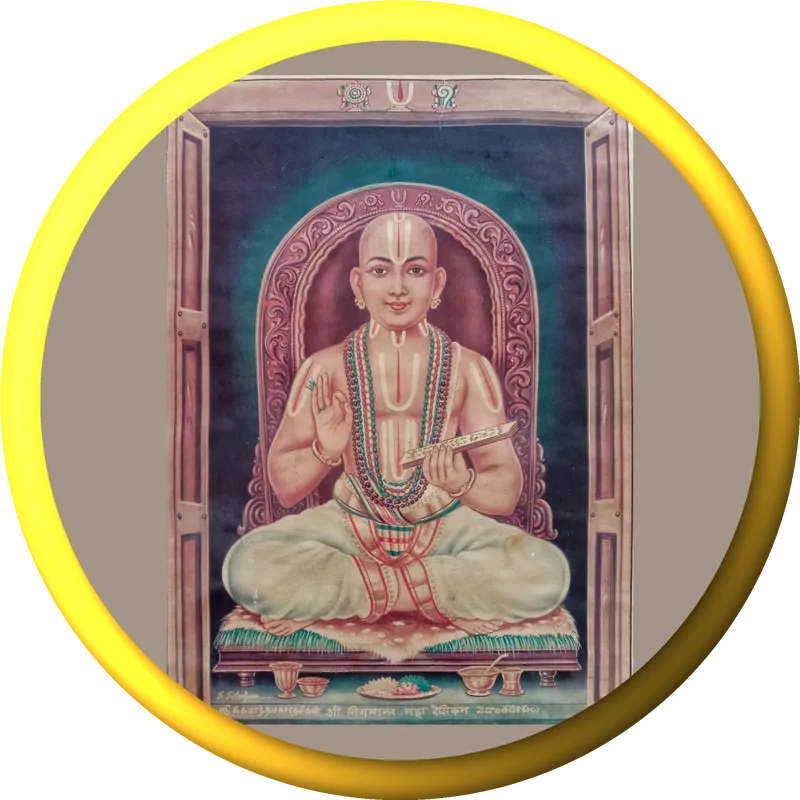
श्रीमान् वेङ्कटनाथार्यः कवितार्किककेसरी ।
वेदान्ताचार्यवर्यो मे सन्निधत्तां सदा हृदि ॥
Śrīmān veṅkaṭanāthāryaḥ kavitārkikakesarī ।
Vedāntācāryavaryo me sannidhattāṃ sadā hṛdi ॥
Meaning: May Śrīmān Veṅkaṭanātha — the lion among poets and logicians, and the illustrious ācārya who adorns the firmament of Vedānta — ever dwell in my heart.
Śrī Vedānta Deśika – The Divine Incarnation of Compassion and Wisdom
Śrīmat Vedānta Mahā Deśika incarnated as the aṁśa (divine manifestation) of the sacred bell (ghaṇṭā) adorning the hand of Lord Śrī Veṅkaṭa Śrīnivāsa — a nitya sūri of eternal radiance. He took birth as the illustrious son of Śrī Ananta Sūri, belonging to the Viśvāmitra gōtra.
Truly, no mortal words — nor even the immortal words of the Śruti — can adequately convey the boundless greatness and divine glory of Swāmi Deśika. What follows is but a very brief and humble account of his sacred life and works.
Swāmi Deśika mastered all the Śāstras at the divine lotus feet of his revered Āchārya, Śrīmat Appuḷḷār, who was also his maternal uncle. With utmost devotion, he performed japa of the sacred Śrīmat Garuḍa Mantra at Tiruvahīndrapuram on Oushadhādri. There, he was blessed with the divine vision (sākṣātkāra) of Śrīmat Garuḍāzhvār, who in turn initiated him into the upadēśa of the sacred Śrīmat Hayagrīva Mantra.
Through profound anushtāna and unwavering bhakti, Swāmi Deśika performed the japa of the Śrīmat Hayagrīva Mantra and was thereafter blessed with the divine vision of Śrī Lakṣmī Hayagrīva Perumāḷ, receiving His complete grace and blessings.
In recognition of his unparalleled scholarship, devotion, and service, Swāmi Deśika was divinely conferred with the exalted titles:
- “Vedāntācārya” – by Periya Perumāḷ, Lord Śrī Raṅganātha Himself, and
- “Sarva-tantra-svatantra” – by Periya Pirāṭṭi, Śrī Raṅganāyaki Thāyār.
He was also celebrated by the great scholars of Śrīraṅgam as Kavi-tārkika-Siṁha (the lion among poets and logicians) and Samasya-Sahasrī (the master of resolving a thousand challenges).
Swāmi Deśika propagated the sampradāya through his pravachanams in the sacred divya desams of Śrīraṅgam, Tiruvahīndrapuram, Śrī Kanchipuram, and Tiru Nārāyaṇapuram, among others. He composed more than 120 divine Śrī Sūktis, thereby safeguarding and enriching the Bhagavad Rāmānuja Darśanam in every respect.
He remains the only Āchārya who has composed Śrī Sūktis covering both the Śārīraka Śāstra (Vedānta) and the Rahasya-traya-Viṣaya Śāstras, thus illuminating the path of siddhānta and bhakti for generations of devotees.
swAmi dESika’s unparalleled and unsurpassed works (SrI sUktis)
| VEdanta granantams sESwara mImAmsa SatadhUshaNi adhikaraNa sArAvaLi tattva tIka nyAya pariSuddhi nyAya sidhdAnjanam tattva muktA kalApam nikshEpa raksha saccharitra raksha vaditraya khaNDanam dramidOpanishath tAtparya ratnAvaLi dramidOpanishath sAram vyAkyA grantams chatuSSlOki bhAshyam stOtra (ratna) bhAshyam rahasya raksha gItArtha sangraha raksha tAtparya chandrikA ISAvAsya-upanishad bhAshyam sarvArtha sidhdi adhikaraNa darpaNam nAtaka grantam sankalpa sUryOdayam kAviya grantams SubhAshita nIvI yAdavAbyudayam | Rahasya grantams sampradAya pariSudhdi tattva padavI rahasya padavI tattva navanItam rahasya navanItam tattva mAtrukA rahasya mAtrukA tattva sandESam rahasya sandESam rahasya sandESa vivaraNam tattva ratnAvaLi tattva ratnAvaLi pratipAdya sangraham rahasya ratnAvaLi rahasya ratnAvaLi hrudayam tattva traya chulakam rahasya traya chulakam abhaya pradAna sAram rahasya SikhAmaNi anjali vaibhavam pradAna Satakam upahAra sangraham sAra sangraham muni vAhana bhOgam madhura kavi hrudayam paramapada sOpAnam paramatha bhangam hastigiri mAhAtmyam SrImath rahasya traya sAram sAra sAram virOdha parihAram nigama parimaLam tirumudi adaivu | Tamizh prabandams amruta ranjani adhikAra sangraham amrutAswAdini parama pada sOpAnam para matha bhangam mei-virata mAnmiyam adaikalappattu aruttapanchakam SrI vaishNava dinachari tirucchinnamAlai panniru nAmam tiru-mantra churukku dwaya churukku charama SlOka churukku gItArtha sangraham mumkaNi kOvai nava maNi mAlai pantu kazhal ammAnai Uusal Eesal prabanda sAram AahAra niyamam StOtra grantams SrI hayagrIva stOtram daSavatAra stOtram bhagavath dyAna sOpAnam gOpAla vimSati SrI stuti bhU stuti |
Kidambi Appuḷḷār

Kidambi Raṅgarājāchārya

Naḍāḍur Ammāḷ

Kidambi Rāmānuja Piḷḷān
Engalāḷvān
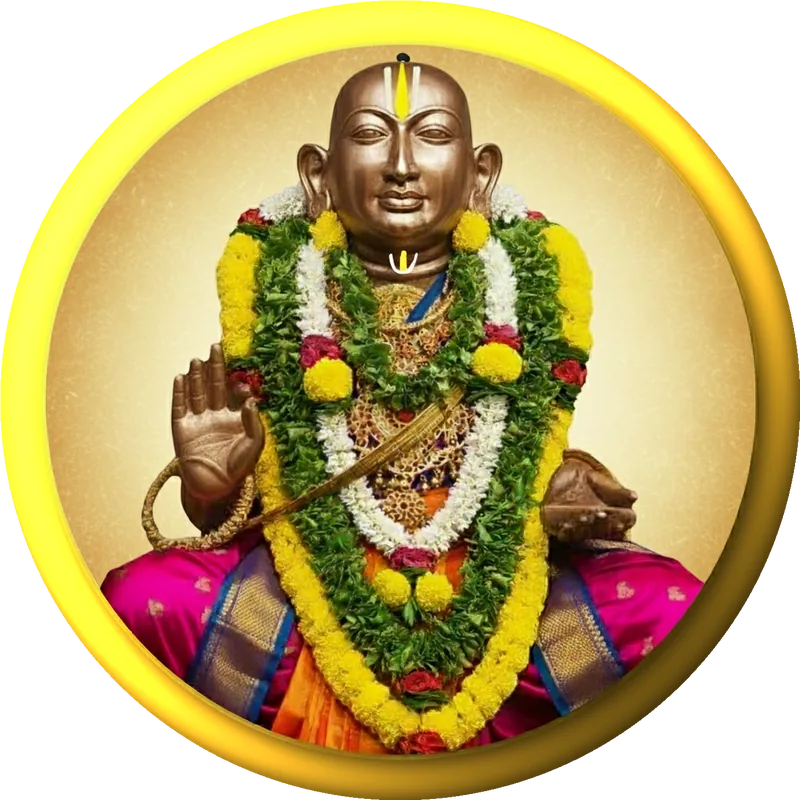
Kidambi Ācchan

Tirukkurugai Pirān Piḷḷān

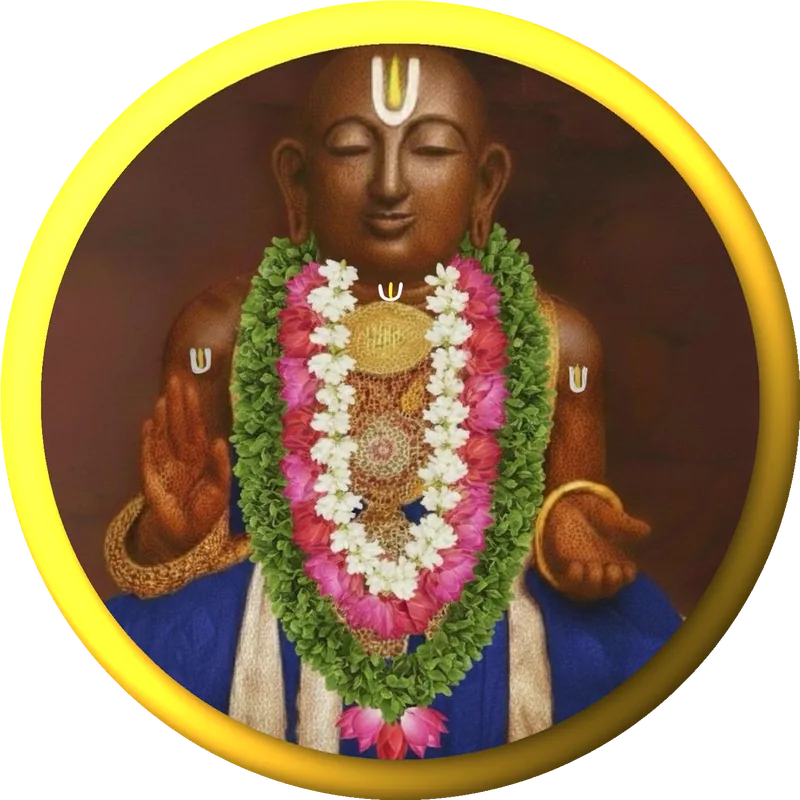
Bhagavad Rāmānuja
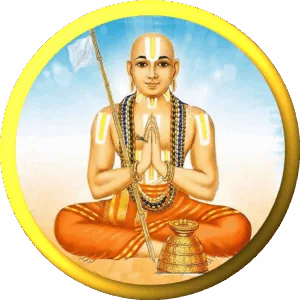
यो नित्यमच्युत पदाम्बुजयुग्म रुक्म-
व्यामोहतस्तदितराणि तृणाय मेने ।
अस्मद्गुरोर्भगवतोऽस्य दयैकसिन्धोः
रामानुजस्य चरणौ शरणं प्रपद्ये ॥
yo nityam acyuta padāmbuja-yugma rukma-
vyāmohatas taditarāṇi tṛṇāya mene |
asmadguror bhagavato’sya dayaikasindhoḥ
rāmānujasya caraṇau śaraṇaṁ prapadye ||
Meaning: I surrender at the lotus-feet of Śrī Rāmānujā, whose every moment remains lost in the radiant pair of the Lord’s lotus-feet, who thinks all else like blades of grass, who is the ocean of compassion by virtue of his divine preceptor.
Śrī Bhagavad Rāmānujāchārya – The Beacon of Compassion and the Crest Jewel of the Āchārya Paramparā
Śrī Rāmānujāchārya stands as the radiant central pendant in the resplendent garland of our Āchārya paramparā. Among the most illustrious and venerated ācāryas of the Śrī Vaiṣṇava sampradāya, he firmly established the doctrine of Śrī Viśiṣṭādvaita Vedānta, fulfilling the divine intent of his predecessor, Śrī Āḷavandār (Yāmunāchārya).
Early Life and Divine Grace
Śrī Rāmānuja was born in the year 1017 CE (Panguni Tiruvādirai star) in Sriperumbudur to Śrī Keśava Somayāji and Śrī Kāntimati, both devout followers of Lord Nārāyaṇa, belonging to the Harita gotra. From birth, he radiated divine brilliance, and even as a young boy, his compassion and sharp intellect were evident to all.
In his youth, he was sent to Kāñchīpuram to study under the renowned Advaitin scholar Śrī Yādava Prakāśa. His cousin, Śrī Govinda Bhaṭṭar, joined him in these studies. Endowed with extraordinary insight, Rāmānuja often offered interpretations of the Upaniṣads that reflected the supremacy and personal nature of the Lord, differing from his teacher’s non-dualistic explanations.
The famous incident of the word “Kapyāsam” from the Chāndogya Upaniṣad exemplified this difference. Śrī Rāmānuja explained it as “the lotus-like eyes of the Supreme Lord,” while Yādava Prakāśa interpreted it in a less reverential manner. This divine exposition caused jealousy in the teacher, who plotted to harm his brilliant disciple.
Feigning a pilgrimage to the Gaṅgā, Yādava Prakāśa planned to kill Rāmānuja during the journey. However, by divine intervention, Śrī Govinda Bhaṭṭar discovered the plot and warned him. As Rāmānuja fled, Śrī Varadarāja Perumāḷ and Śrī Perundevi Thāyār appeared as a hunter couple and personally guided him back to Kāñchīpuram — an episode that revealed the Lord’s deep affection for His devotee.
The Divine Mission Begins
Around this time, Śrī Āḷavandār visited Kāñchīpuram, beheld the youthful radiance of Rāmānuja, and prayed to Śrī Varadarāja Perumāḷ that this extraordinary soul should carry forward the torch of Śrī Vaiṣṇava siddhānta.
Soon thereafter, a miraculous incident demonstrated Rāmānuja’s divine power. The king’s daughter, possessed by a brahma-rākṣasa, was cured instantly when Rāmānuja commanded the spirit to leave her body. This event made his greatness widely known.
At the Lord’s behest, conveyed through Śrī Thirukacchi Nambi, Rāmānuja began performing tīrtha kainkaryam (fetching holy water for temple rituals) at Śrī Varadarāja Perumāḷ Koil. Meanwhile, Śrī Periya Nambi, a direct disciple of Śrī Āḷavandār, was sent to Kāñchīpuram to bring Rāmānuja to Śrīraṅgam.
When they arrived, Śrī Āḷavandār had just attained paramapadam. Upon seeing his body with three fingers folded, Rāmānuja vowed to fulfill three tasks —
- To write a commentary on the Brahma Sūtras (Śrī Bhāṣya),
- To write a commentary on the Vishnu Purāṇa, and
- To write an exposition on Śrī Nammāzhvār’s Tiruvāymoḻi.
As soon as he made these vows, the three fingers of Śrī Āḷavandār miraculously unfolded — confirming divine acceptance.
Receiving Divine Guidance
After returning to Kāñchīpuram, Rāmānuja sought guidance from Śrī Varadarāja Perumāḷ through Śrī Thirukacchi Nambi. The Lord graciously conveyed six divine instructions (ārū vākyāni), forming the foundation of Śrī Viśiṣṭādvaita Vedānta and Rāmānuja’s Śrī Bhāṣya. Among them was the command to seek initiation (pañca-saṁskāra) from Śrī Periya Nambi.
Accordingly, Rāmānuja received pañca-saṁskāra at Śrī Kodanda Rāma Temple in Madurantakam — the formal initiation marking his entry into the Śrī Vaiṣṇava sampradāya.
Later, after his wife committed acts of bhāgavata-apacāra (offences against devotees), Rāmānuja, realizing that spiritual progress requires absolute humility and service-mindedness, renounced household life and entered sannyāsa āśrama. Lord Varadarāja Himself conferred upon him the title “Yatirāja”, meaning King among Ascetics.
Udayavar and the Establishment of the Sampradāya
When Rāmānuja visited Śrīraṅgam, Periya Perumāḷ Śrī Raṅganātha personally blessed him and entrusted him with the management of temple affairs, bestowing upon him the title “Udayavar.”
Later, he approached Śrī Thirukkōṣṭiyūr Nambi to learn the meanings of the three rahasya mantras — the Aṣṭākṣara (Mūla Mantra), Dvaya Mantra, and Charama Śloka. To test his devotion and humility, Śrī Nambi turned him away seventeen times before finally instructing him.
Having received this sacred knowledge, Rāmānuja, moved by boundless compassion, ascended the temple tower and proclaimed the mantras openly to all, declaring that if by his act others could attain liberation, he would gladly bear the consequences himself. Seeing this supreme compassion, Śrī Thirukkōṣṭiyūr Nambi embraced him, calling him “Emperumānār” — “the one who embodies the Lord’s own mercy.”
Spreading the Light of Śrī Vaiṣṇavism
Rāmānuja’s fame spread across Bhārata-varṣa. Kings, scholars, and devotees came to surrender at his feet. He traveled extensively, re-establishing ancient temples and revitalizing the sampradāya.
At Melukote (Tirunarayanapuram) in Karnataka, he rediscovered the ancient deity of Śrī Sampathkumāra (Chellappillai) and re-established worship there. He also initiated countless devotees, transcending barriers of caste, birth, and background — demonstrating that true worth lies in śaraṇāgati (surrender) and bhakti to the Lord.
Rāmānuja authored several monumental works, including:
- Śrī Bhāṣya – commentary on the Brahma Sūtras,
- Vedānta Sāra and Vedānta Dīpa,
- Gītā Bhāṣya (commentary on the Bhagavad Gītā),
- Nitya Grantha (manual for daily worship), and
- Gadya Traya (Śaraṇāgati, Śrīraṅga, and Vaikuṇṭha Gadyams), among others.
Establishment of the 74 Simhāsanādhipatis
To ensure the preservation and propagation of the Śrī Vaiṣṇava siddhānta, Śrī Rāmānuja established seventy-four Simhāsanādhipatis — distinguished disciples entrusted with teaching, guiding, and sustaining the sampradāya across regions. These preceptors carried forward his teachings with fidelity, ensuring the unbroken continuity of the guru–śiṣya paramparā that thrives to this day.
Each Simhāsanādhipati was empowered to initiate disciples through pañca-saṁskāra, thus making the siddhānta accessible to all earnest seekers. Through this divine institution, Rāmānuja transformed the sampradāya from a local tradition into a pan-Indian spiritual movement rooted in devotion, knowledge, and service.
Final Years and Attainment of Paramapadam
In his later years, Śrī Rāmānuja continued to guide his disciples from Śrīraṅgam, radiating serenity, compassion, and divine wisdom. Having completed his mission of re-establishing the Lord’s supremacy and restoring the path of prapatti (total surrender), he attained paramapadam at the age of 120.
Before ascending to the Lord’s abode, he assured his disciples that his divine presence would remain eternally at Śrīraṅgam for the upliftment of devotees. To this day, his thirumeni (divine body) is preserved and worshipped at Śrīraṅgam, radiating spiritual power and grace — a living testimony to his immortal glory.
Legacy
Śrī Bhagavad Rāmānujāchārya stands eternally as the embodiment of compassion, humility, and divine wisdom. Through his life and works, he revealed that the highest truth is service to the Lord through service to His devotees. His Śrī Viśiṣṭādvaita Vedānta harmonizes knowledge, devotion, and surrender — offering the world a perfect synthesis of reason and faith, philosophy and love.
He is rightly hailed as:
“Yatirājaḥ Śaraṇam Mama” — Śrī Rāmānujāchārya, the King of Ascetics, is my sole refuge.
Sri Periya Nambi

Srimad Yamunacharya

Sri Manakkāl Nambi

Sri Uyyakkoṇḍār

नमस्याम्यरविन्दाक्षं नाथभावे व्यवस्थितम्।
शुद्धसत्त्वमयं शौरेः अवतारमिवापरम् ॥ 6 ॥
namasyāmyaravindākṣaṃ nāthabhāve vyavasthitam |
śuddhasattvamayaṃ śaureḥ avatāramivāparam || 6 ||
Sriman Nātha Muni
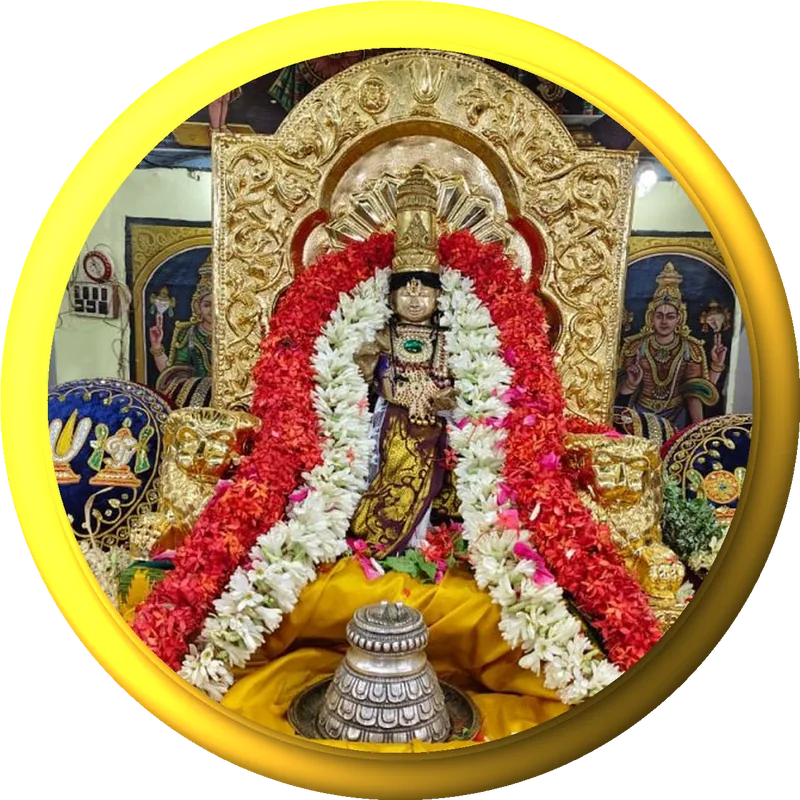
नाथेन मुनिना तेन भवेयं नाथवानहम्।
यस्य नैगमिकं तत्त्वं हस्तामलकतां गतम् ॥ 5 ॥
nāthena muninā tena bhaveyaṃ nāthavānaham |
yasya naigamikaṃ tattvaṃ hastāmalakatāṃ gatam || 5 ||
Swamy Nammāḷvār

माता पिता युवतयस्तनया विभूतिः
सर्वं यदेव नियमेन मदन्वयानाम्।
आद्यस्य नः कुलपतेर्वकुळाभिरामं
श्रीमत्तदङ्घ्रियुगळं प्रणमामि मूर्ध्ना॥ 4 ॥
mātā pitā yuvatayastanayā vibhūtiḥ
sarvaṃ yadeva niyamena madanvayānām |
ādyasya naḥ kulapatervakuḷābhirāmaṃ
śrīmattadaṅghriyugaḷaṃ praṇamāmi mūrdhnā || 4 ||
Sri Vishvaksena

वन्दे वैकुण्ठसेनान्यं देवं सूत्रवतीसखम्।
यद्वेत्रशिखरस्पन्दे विश्वमेतद्व्यवस्थितम् ॥ 3 ॥
vande vaikuṇṭhasenānyaṃ devaṃ sūtravatīsakham |
yadvetraśikharaspande viśvametadvyavasthitam || 3 ||
Thayar Mahalakshmi, Our Divine Mother
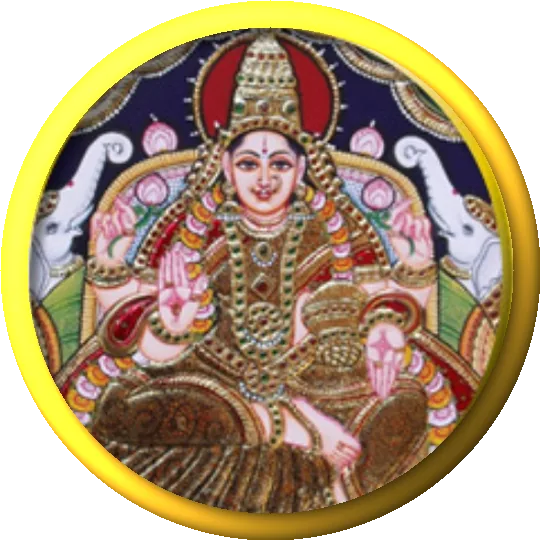
सह धर्म चरीं शौरेः सम्मन्त्रित जगध्दिताम् ।
अनुग्रहमयीं वन्दे नित्यमज्ञात निग्रहाम् ॥
sahā dharma carīṁ śaureḥ sammantrita jagaddhitām ।
anugrahamayīṁ vande nityamajñāta nigrahām ॥
Thayar Mahalakshmi is the second Acharyan immediately after Sriman Narayana. She acts as a Purushakara (recommending intermediary) between Badda Jivathma and Sriman Narayana. Without the compassion of the divine mother it would be impossible to approach the Lord.
Lord Sriman Narayana
लक्ष्मीनाथसमारम्भां नाथयामुनमध्यमाम् ।
अस्मदाचार्यपर्यन्तां वन्दे गुरुपरंपराम् ॥
லக்ஷ்மீநாத ஸமாரம்பாம் நாதயாமுந மத்யமாம் /
அஸ்மத் ஆசார்ய பர்யந்தாம் வந்தே குருபரம்பராம் //
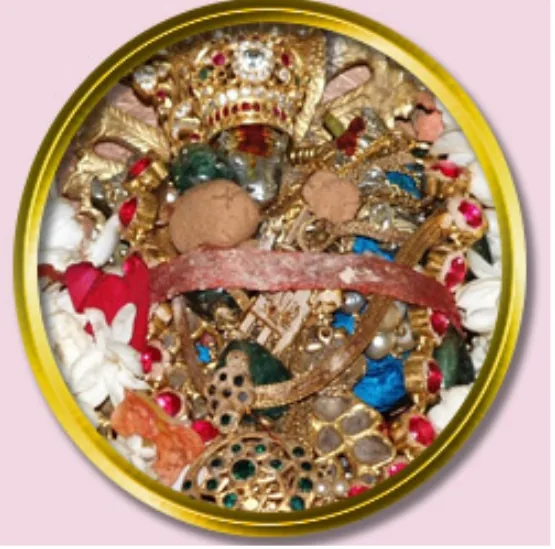
The above verse salutes the Sri Vaishnava Acharya Guru Parampara staring with Lakshminatha, Lord Sriman Narayana with the middle order decorated by Sriman Nathamuni and Sriman Yamuna Muni, and ending with our own Acharya in this life.
The picture seen here is the Presiding Deity of Sri Parakala Matham Lakshmi
Hayavadana Murthy.
Sri Lakshmi Hayagriva

कमप्याद्यं गुरुं वन्दे कमलागृहमेधिनम्।
प्रवक्ता छन्दसां वक्ता पञ्चरात्रस्य यः स्वयम् ॥ 1 ॥
kamapyādyaṃ guruṃ vande kamalāgṛhamedhinam |
pravaktā chandasāṃ vaktā pañcarātrasya yaḥ svayam || 1 ||